
Numerology for Baby Names: A Parent’s Guide to Name Numbers
Choosing a name for your baby is one of the most meaningful decisions you will make as a parent. You may look for a name with a beautiful meaning, a family connection, a cultural background, or a sound that feels just right. For parents interested in numerology, there is another way to explore this decision: studying the numbers associated with a name.
Numerology for baby names is a traditional practice that assigns numerical values to letters and interprets the resulting number symbolically. Some parents use it as a fun way to compare names, explore their meanings, or add another layer of thought to the naming process.
In this guide, you will learn how baby name numerology works, how to calculate a name number using the Pythagorean system, what numbers 1 through 9 traditionally represent, and how to compare different names. You will also find practical tips to help you choose a name that feels meaningful to your family.
What Is Baby Name Numerology?
Baby name numerology is a branch of numerology in which the letters of a name are assigned numerical values. These values are added together and reduced according to a particular method to produce a name number.
In popular Pythagorean numerology, the final number is usually reduced to a single digit from 1 to 9. The numbers 11, 22, and sometimes 33 may be retained as Master Numbers, depending on the tradition being followed.
Numerology practitioners associate these numbers with symbolic qualities. For example, number 1 is commonly connected with independence, while number 2 is associated with cooperation and number 3 with creativity.
Parents may explore these interpretations when considering a baby’s name. However, numerology is a belief-based tradition rather than a scientifically established method of predicting a child’s personality, abilities, or future.
The most useful approach is to treat it as an optional source of inspiration alongside the name’s meaning, pronunciation, cultural significance, and personal importance.
How Name Numerology Assigns Numbers to Letters
Different numerology systems use different methods. One of the most widely used approaches for name calculations is the Pythagorean system.
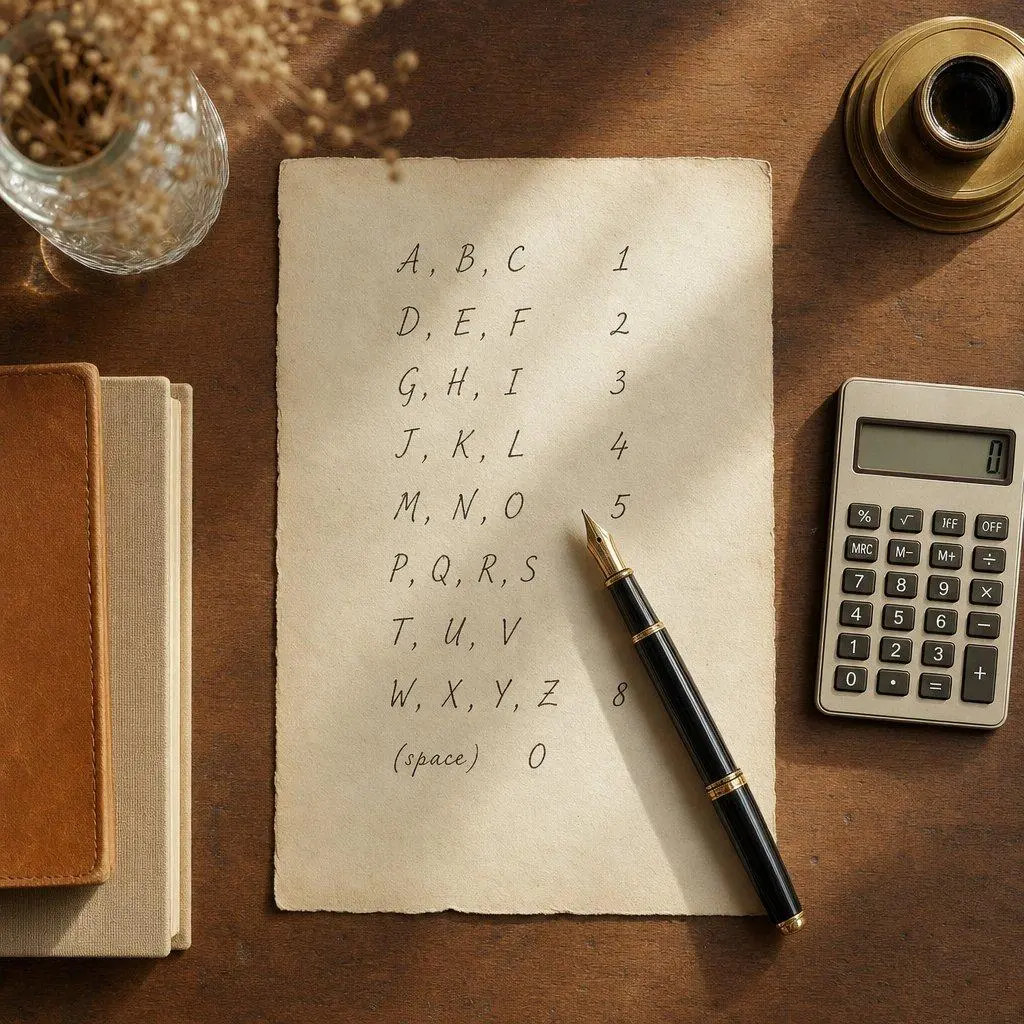
In this method, the letters A through Z are assigned numbers from 1 to 9 in a repeating sequence. Each letter in a name contributes its corresponding value to the total.
For example:
- A = 1
- B = 2
- C = 3
- D = 4
- E = 5
- F = 6
- G = 7
- H = 8
- I = 9
After I, the sequence begins again with J = 1, K = 2, and continues through the alphabet.
This means that two names with different spellings can produce different totals, even if they sound similar. Changing one letter may change the final number, which is why some numerology enthusiasts compare multiple spellings before making a decision.
It is worth remembering that there is no universally accepted numerology system. If you compare name calculations online, check whether the calculator uses the same method.
The Pythagorean Letter-to-Number Chart
Use the following chart to find the numerical value of each letter in a baby’s name.
| Number | Letters |
|---|---|
| 1 | A, J, S |
| 2 | B, K, T |
| 3 | C, L, U |
| 4 | D, M, V |
| 5 | E, N, W |
| 6 | F, O, X |
| 7 | G, P, Y |
| 8 | H, Q, Z |
| 9 | I, R |
Keep this chart handy when calculating a name manually. Write down the name, replace each letter with its numerical value, and add the values together.
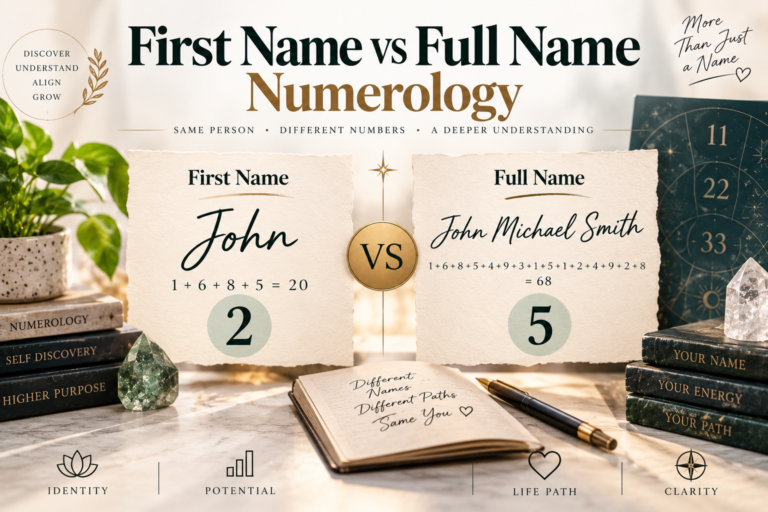
For a full name, decide whether you want to calculate the first name alone or the complete name. Many popular name numerology methods use the full name, while some baby-name discussions focus on the first name. The method should be stated clearly so that different results are not confused.
How to Calculate a Baby’s Name Number
Calculating a name number is straightforward once you know the letter values. Let’s use the fictional example of the name Liam.
Step 1: Write down the name
Liam contains four letters:
L – I – A – M
Step 2: Find each letter’s value
Using the Pythagorean chart:
- L = 3
- I = 9
- A = 1
- M = 4
Step 3: Add the numbers
Add all four values together:
3 + 9 + 1 + 4 = 17
The initial total is 17.
Step 4: Reduce the total
For a single-digit name number, add the digits of 17:
1 + 7 = 8
Under this method, the name number for Liam is 8.
Some numerology traditions also interpret the intermediate total of 17, but the basic single-digit method produces 8.
What if the name contains a space or hyphen?
Spaces and hyphens are not assigned numerical values. Calculate the letters in the name and add them together. If you are using the full name, include the letters from each part.
For example, you can calculate a first name and surname separately before adding their totals together. Just make sure you use the same method consistently.
Should you use the baby’s first name or full name?
There is no single rule followed by every numerology tradition. Some practitioners calculate the full birth name, while others examine the first name or compare both.
If your goal is simply to explore possible baby names, calculating each first name can make comparisons easier. If you want to follow a particular numerology tradition, check its instructions before choosing which name to enter.
Traditional Meanings of Baby Name Numbers 1–9
Each number has its own symbolic associations in popular numerology. The following descriptions offer a simple introduction for parents exploring name numbers.
These interpretations are traditional symbolism, not evidence-based descriptions of how a child will behave or what their future will hold.
Number 1: Independence and Initiative
Number 1 is commonly associated with independence, originality, initiative, and leadership. In numerology traditions, it represents beginnings and the desire to take an individual path.
Parents who enjoy these symbolic themes may find number 1 interesting when comparing names. Still, a name number cannot establish whether a child will become a leader or prefer working independently.
Number 2: Cooperation and Harmony
Number 2 is often linked with partnership, sensitivity, diplomacy, and cooperation. Its symbolism emphasizes balance and the ability to work with others.
Parents may appreciate these themes if they want a name associated with gentleness or harmony. The number is a symbolic interpretation rather than a guarantee of personality traits.
Number 3: Creativity and Expression
Number 3 is traditionally connected with creativity, communication, optimism, and self-expression. It is often presented as a lively number associated with artistic or social themes.
When comparing baby names, parents interested in creative symbolism may choose to explore this number. A child’s interests and talents, however, develop through many influences beyond a name.
Number 4: Stability and Practicality
Number 4 is associated with structure, reliability, organization, and steady effort. Its traditional meaning focuses on building a solid foundation and approaching tasks methodically.
Parents may find these qualities appealing because they reflect values they hope to encourage as their child grows. A number itself does not determine how responsible or organized someone will become.
Number 5: Freedom and Adaptability
Number 5 commonly represents freedom, variety, curiosity, and adaptability. In numerology, it is often connected with change and the exploration of new experiences.
Parents who like themes of adventure or flexibility may enjoy considering number 5. It should not be used to assume that a child will necessarily enjoy travel, change, or risk-taking.
Number 6: Care and Responsibility
Number 6 is frequently associated with family, compassion, responsibility, and nurturing. Its symbolism centers on caring relationships and a sense of belonging.
For parents, these associations can provide an appealing way to reflect on family values. They do not predict whether a child will have a particular temperament or relationship style.
Number 7: Reflection and Learning
Number 7 is traditionally linked with curiosity, reflection, analysis, and the search for knowledge. Some numerology interpretations connect it with spirituality or a desire to understand deeper questions.
Parents who value learning and thoughtful exploration may find this symbolism meaningful. A child’s education, curiosity, and interests will depend on their own experiences and opportunities.
Number 8: Ambition and Achievement
Number 8 is often associated with ambition, organization, management, and material achievement. In some traditions, it also symbolizes balance between responsibility and success.
These themes may appeal to parents who value determination and practical goals. A name number does not predict wealth, career success, or financial circumstances.
Number 9: Compassion and Generosity
Number 9 is commonly connected with compassion, generosity, idealism, and concern for others. It is sometimes described as a number representing broad-mindedness or service.
Parents may appreciate these associations when reflecting on the values they want to share with their child. The number cannot establish whether a person will become generous or socially minded.
What About Master Numbers 11, 22, and 33?
Some numerology traditions give special significance to 11, 22, and 33. These are often called Master Numbers.
- 11: Traditionally associated with intuition, inspiration, and sensitivity.
- 22: Often linked with planning, practical vision, and building something meaningful.
- 33: Commonly connected with compassion, teaching, and service in traditions that recognize it.
Not every numerology method treats all three numbers in the same way. Some retain a Master Number when it appears at a particular stage of the calculation; others reduce it to a single digit.
For example, 11 may be kept as 11 or reduced to 2 because 1 + 1 = 2. If you want to compare names accurately, follow one consistent calculation method rather than mixing rules from different sources.
Master Numbers should not be viewed as better than single-digit numbers. Each interpretation is symbolic, and the choice of a baby’s name does not need to depend on reaching a particular total.
Should You Match a Baby’s Name Number With Their Birth Date?
Some parents explore both the name number and the birth date number. In popular numerology, a number calculated from a date of birth is often called the Life Path Number.
The two calculations are different:
- Name number: Calculated from the letters of a name.
- Life Path Number: Usually calculated from the digits of a birth date, following a chosen numerology method.
Some practitioners compare these numbers and interpret their relationship symbolically. They may describe certain combinations as harmonious or challenging, but there is no scientifically validated system showing that a particular combination produces a better life.
If you want to include birth-date numerology in your naming process, treat it as an optional cultural or personal interest. You do not need to change a name you love simply because two numbers do not match according to one interpretation.
Also, if you are choosing a name before your baby is born, you may not know the final birth date. There is no need to delay a meaningful naming decision in order to obtain a preferred number.
How to Compare Two Baby Names Using Numerology
Suppose you have shortlisted two names and would like to compare their numerical values. A simple, consistent process can help you explore both without making the decision unnecessarily complicated.
1. Write down your shortlisted names
Choose two or three names that you and your family genuinely like. Consider the spelling you would actually use on official documents.
2. Calculate each name using the same chart
Use the Pythagorean letter-to-number chart above. Add the letter values for each name and reduce the total according to the same rule.
3. Read the traditional interpretations
Look at the symbolic meanings associated with each resulting number. You may find one interpretation more personally meaningful than another.
4. Consider pronunciation and spelling
Say each name aloud. Think about whether family members can pronounce it comfortably, whether its spelling is clear, and whether it works well with the surname.
5. Check the name’s meaning and cultural context
Research the name’s origin and meaning using reliable naming or linguistic resources. A numerology interpretation is only one way of looking at a name; its actual linguistic meaning and cultural associations may matter much more to your family.
6. Choose the name that feels right
Use the numbers as an optional point of reflection, not as a strict test. A name should feel meaningful, practical, and appropriate for your family.
Important Things to Consider Beyond Numerology
Numerology can be an interesting part of choosing a baby name, but it should not replace the practical considerations that make a name suitable for everyday life.
Meaning and origin: Learn what the name means and where it comes from. If a name has cultural, religious, or family significance, make sure you understand its background.
Pronunciation: Consider how easily relatives, teachers, and other people are likely to pronounce the name. A distinctive name can be beautiful, but it should also feel comfortable for the child to use.
Spelling: Think about whether the spelling is clear and whether the name may frequently need correction. If you are considering alternative spellings for numerology, compare the practical effects before making a decision.
Surname compatibility: Say the full name aloud. Listen to its rhythm and check whether the first name and surname work well together.
Family preferences: Parents may have different opinions about names. A shortlist can help everyone discuss their preferences without turning the process into a competition over numbers.
Long-term suitability: Imagine the name being used at different stages of life, from childhood to adulthood. A name should not be chosen only because it looks appealing on a baby-name list.
Personal meaning: A name connected to a loved one, a cherished tradition, or a meaningful experience may hold special value regardless of its numerical total.
Ultimately, the best choice is one that your family feels comfortable using and that respects your child’s cultural and personal background.
Frequently Asked Questions
1. How do I calculate numerology for baby names?
In the Pythagorean system, each letter is assigned a number from 1 to 9. Add the values of all the letters in the name, then reduce the total to a single digit unless your chosen method retains a Master Number.
2. Which number is best for a baby name?
There is no objectively best number. Numerology traditions associate different numbers with different symbolic qualities, but no number is scientifically proven to give a child a better personality, future, or life outcome.
3. Should I choose a baby name based on numerology or meaning?
You can consider both, but the name’s meaning, cultural significance, pronunciation, and personal importance are practical factors worth prioritizing. Numerology can be an optional source of inspiration rather than a requirement.
4. Can changing the spelling change a baby’s name number?
Yes. Under the Pythagorean method, different letters have different numerical values, so changing the spelling can change the total. However, changing spelling solely to obtain a preferred number may affect pronunciation, readability, or the name’s cultural form.
5. Is baby name numerology scientifically proven?
No. Numerology is a traditional belief system, and there is no reliable scientific evidence that name numbers predict a child’s personality, abilities, relationships, or future success. Many families explore it for personal, cultural, or entertainment purposes.
Final Thoughts
Numerology for baby names offers parents a symbolic way to explore the numbers associated with different names. By learning the Pythagorean letter chart, calculating name totals, and understanding the traditional meanings of numbers 1 through 9, you can add an extra layer of interest to the naming process.
However, a meaningful baby name involves much more than a numerical result. Its origin, pronunciation, cultural significance, family connections, and everyday practicality all deserve careful consideration.
If numerology is important to you, use it as one small part of your decision. Compare the numbers, explore the interpretations, and then choose a name that feels right for your family. The most meaningful name is not necessarily the one with a particular number; it is the one you are happy to give your child.